

Each year, the number of cyclists in Toronto continues to grow, making the creation and development of new routes increasingly important for local authorities. The preference for bicycles is driven by their environmental friendliness, providing a simple and clean way to travel around the city. Moreover, cycling offers an excellent opportunity to maintain physical fitness. This overview examines the most popular routes for daily cycling adventures through Toronto’s streets.
Main Cycling Routes in Toronto
All the proposed cycling routes in Toronto provide an opportunity to become better acquainted with the city’s unique beauty and appreciate the stunning landscapes on offer. This diversity allows cyclists to independently choose the most suitable difficulty level based on their individual preferences, experience, and skill level.
The list of most popular routes includes:
- Waterfront Trail – a waterfront cycling path stretching 3,600 km (2,200 miles). This route runs along Lake Ontario, allowing cyclists to enjoy magnificent views of the lake, city, and surrounding areas. It’s a universal route suitable for different skill levels.
- Don River Trail – a cycling path located along the Don River. This option is perfect for those seeking a peaceful route surrounded by nature for solitude and relaxation. However, the trail includes some sections with steep elevation changes, making it more suitable for experienced cyclists.
- High Park – one of Toronto’s largest urban parks, located in the York district and opened in 1873. The park covers 161 hectares (398 acres). Given its size, several cycling routes are offered here, varying in difficulty level and surface type (paved and dirt trails). During your ride, you can enjoy abundant greenery, beautiful lake views, and appreciate the unique landscape diversity.
- Martin Goodman Trail – a multi-purpose 56 km trail located along Toronto’s waterfront. This is an important section of the longer Waterfront Trail, offering passage through the city centre with access to major attractions and excellent lake views.
- Beltline Trail – a 9 km (5.6 miles) cycling and pedestrian rail-trail. The route follows former railway tracks and is considered less busy compared to other urban trails.
When planning a future cycling trip, it’s essential to consider landscape features, your skill level, and the list of attractions you might encounter along the way.
Additional Yet Equally Popular Cycling Routes
While all city residents and tourists quickly learn about the main cycling routes, finding information about additional cycle paths requires more research.
This list includes the following noteworthy cycling routes:
- Tommy Thompson Park – a large artificially created peninsula on the Leslie Street Spit in Toronto, extending approximately 5 km. Cars are prohibited here, and numerous paved trails allow for walking or cycling whilst enjoying lagoons, beaches, and a lighthouse.
- West Toronto Railpath – a multi-purpose route that begins in the Junction Triangle neighbourhood and ends in the city centre. This urban route spans 2–3 km, suitable for walking or cycling. These are unique former railway tracks decorated with artistic murals.
- Humber River Recreational Trail – a fairly wide 19 km trail located along the Humber River valley. This simple route is often chosen by beginners and families for cycling together.
- Moore Park Ravine – one of the most beautiful natural trails in central Toronto, stretching 6 km. Cyclists are offered a forest and scenic route, which is why mountain bikes or fat bikes are often chosen for riding here.
- Crothers Woods – an area in Toronto’s Don River valley covering 52 hectares (128 acres). This area is predominantly forested with green meadows and wetlands, offering a dirt trail for cycling on the Don Valley slopes. Therefore, appropriate bicycles should be selected for cycling, and riding is recommended for experienced cyclists.
- Don Mills Trail, also known as the Leaside Spur Trail – a pathway located along an old railway line, stretching 3 km. This route is among the calm and quiet ones, and during cycling, riders can become better acquainted with Toronto’s parks and residential neighbourhoods.
Pan Am Path deserves special attention – this is a multi-functional network of recreational trails covering the entire city of Toronto. Most of the proposed routes are located along waterways and various river valleys. The unified network exceeds 80 km in length, combining roads and trails created for the 2015 Pan American Games.
The Safest Cycling Route in Toronto
If you need to find not only a convenient but also maximally safe route, you should familiarise yourself with the Martin Goodman Trail (part of the Waterfront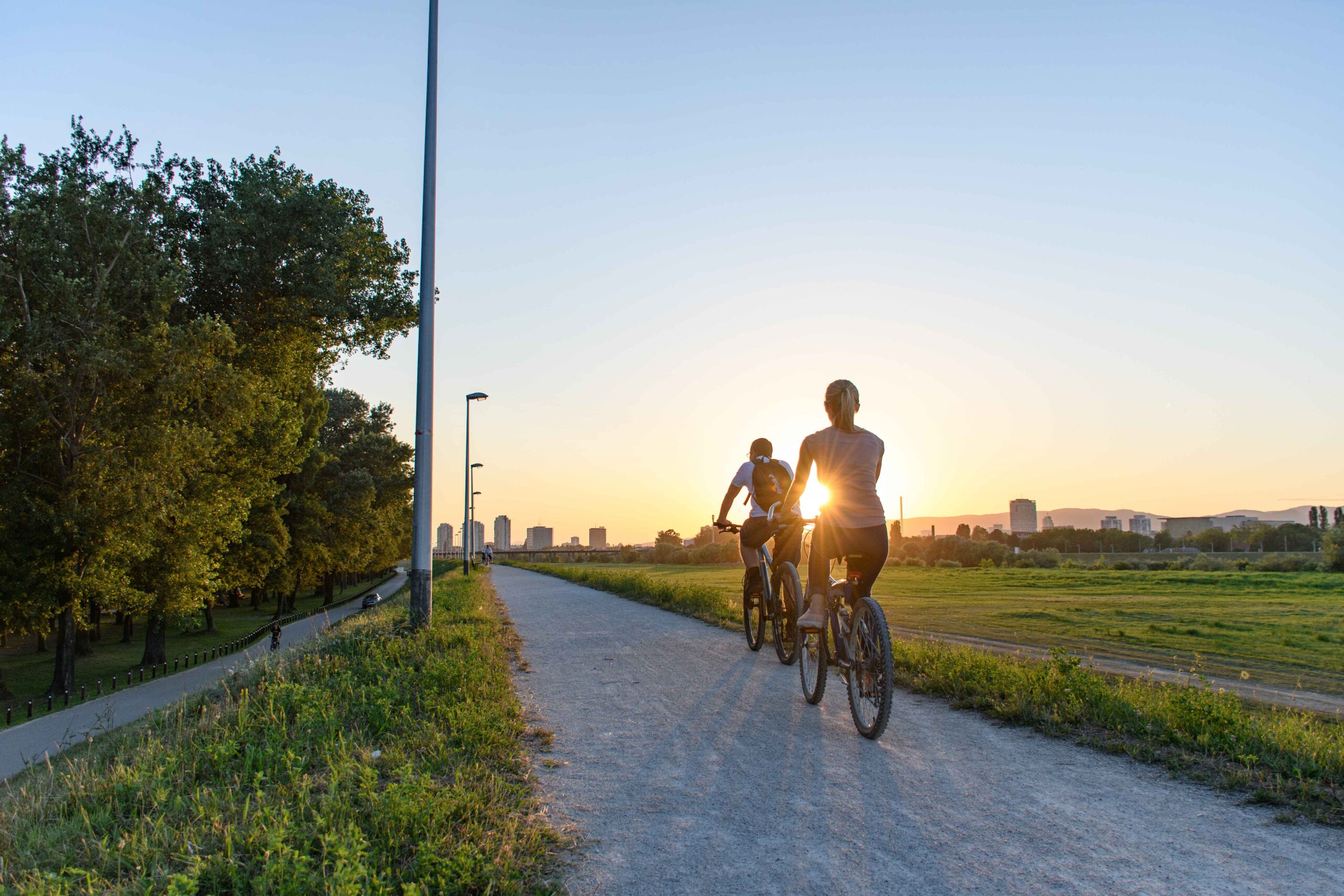 Trail).
Main reasons for its safety compared to other routes:
- It runs along the shore of Lake Ontario, keeping it away from roads with heavy traffic.
- There are minimal complex intersections and traffic lights (especially on the section from Humber Bay to downtown).
- Sufficiently wide lanes allow easy passing of other cyclists.
For this reason, beginners and families with children often choose this cycling route. The presence of smooth paved surfaces and absence of steep descents and climbs eliminate the possibility of falls and injuries. Additionally, the route is well-lit and regularly patrolled (especially in the Harbourfront and Ontario Place areas).
How to Quickly and Correctly Choose a Suitable Route?
When selecting cycling routes, special attention should be paid to the main purpose of your trip.
Based on this, the following recommended cycling routes are suggested:
- For easy rides, beginners, and family cycling trips – Waterfront Trail, Toronto Islands, Humber Trail.
- For enjoying unique views and nature in Toronto – Don Valley Trail, Beltline Trail, Moore Park Ravine.
- For active cycling around the city – West Toronto Railpath, Beltline Trail.
- For exploring Toronto’s pedestrian-cycling network – Pan Am Path, Don Mills Trail.
Thanks to the development of cycling in the city, every resident and visitor can find the most convenient, safe, and interesting route for themselves.